
Issue one – Winter 2024/25
Welcome to the first Newsletter, aimed at everyone who has been on Next Step Cards training. If there is anything
you would like to see included in the newsletter, of if you have any queries at all, please just
let Jenny know by emailing: cwp.
Next Step Cards Team shortlisted for The Lionel Hersov Memorial Award at ACAMH Awards 2024
 We are absolutely delighted to announce that we were shortlisted for The Lionel Hersov Memorial Award at the prestigious international ACAMH Awards 2024!
The Next Step Cards initiative by Cheshire and Wirral Partnership NHS Foundation Trust exemplifies a practice team that has effectively translated evidence-based research into clinical practice. The sustained outcomes, significant community value, and demonstrated replicability made the team an exemplary candidate for the award.
Our innovate approach has empowered numerous professionals and young people, contributing to improved mental health and wellbeing.
Next Step Cards Best Practice Event
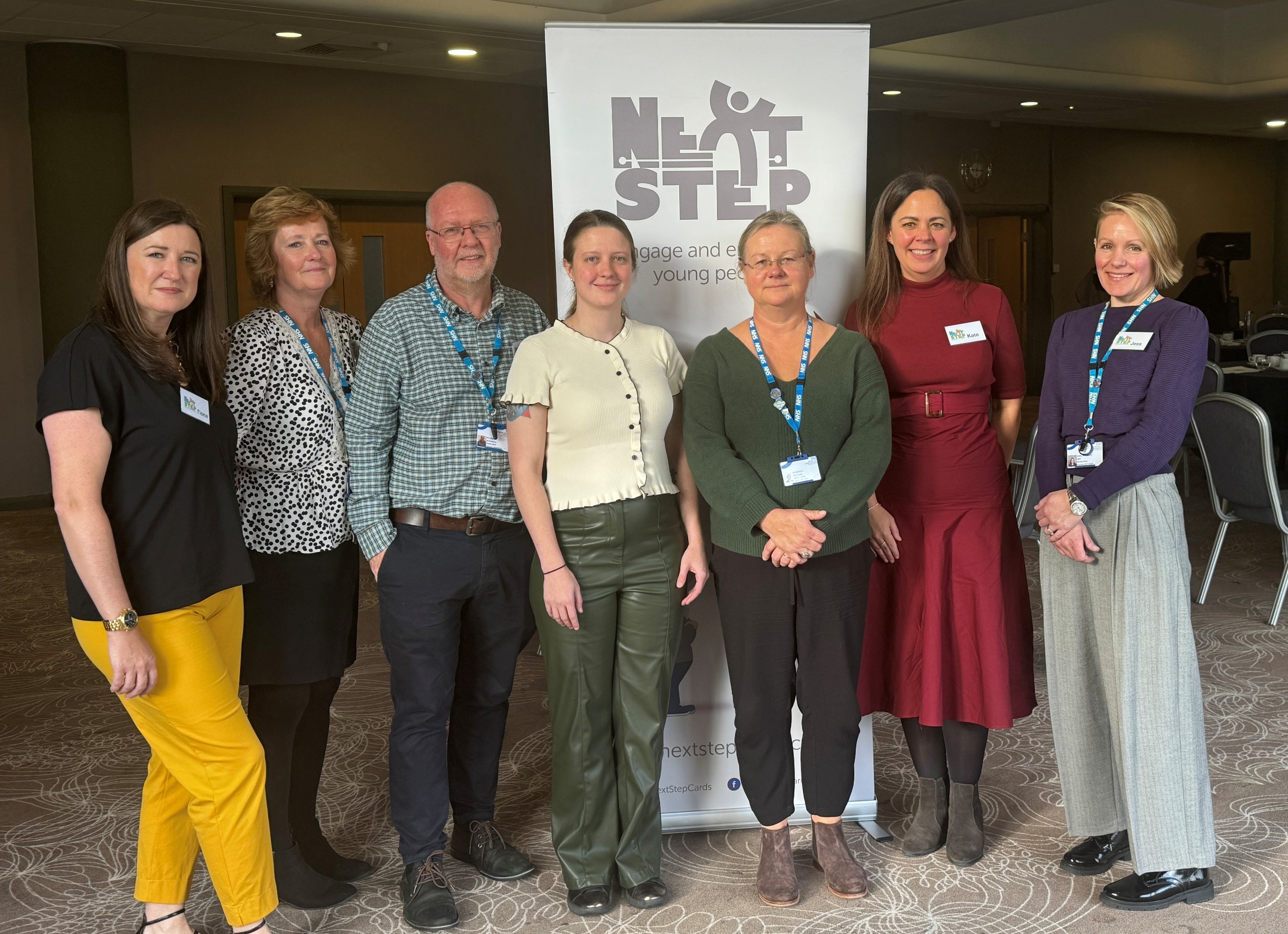 On Wednesday 23 October 2024, we held our Best Practice Event at The Holiday Inn, Ellesmere Port. It was well-attended and your feedback tells us that you would like us to repeat the Event next year!
We are also looking into refresher training during the year, with online Reflective Spaces to share best practice and keep in touch with each other.
A few questions raised at the event are also answered in this newsletter.
Reflective Spaces for discussing using Next Step Cards in practice
 We are proposing to hold monthly online Reflective Spaces where Practitioners trained in the use of Next Step Cards can take part in discussing using the Cards, and you can raise any queries or concerns that you may have.
The sessions will be one hour long and we would ensure that they are on differing days/times to ensure that everyone will have the opportunity to attend at some point. We would be very grateful if you could click on the button below or scan the QR code and let us know whether you would be interested on not.
Can the cards be used within a group?
This is an excellent question and one that the Next Step Cards Team have been looking into. We are pulling together different ideas and we will report back to you in a future Newsletter.
How do you prepare neurodiverse children and young people to use the cards?
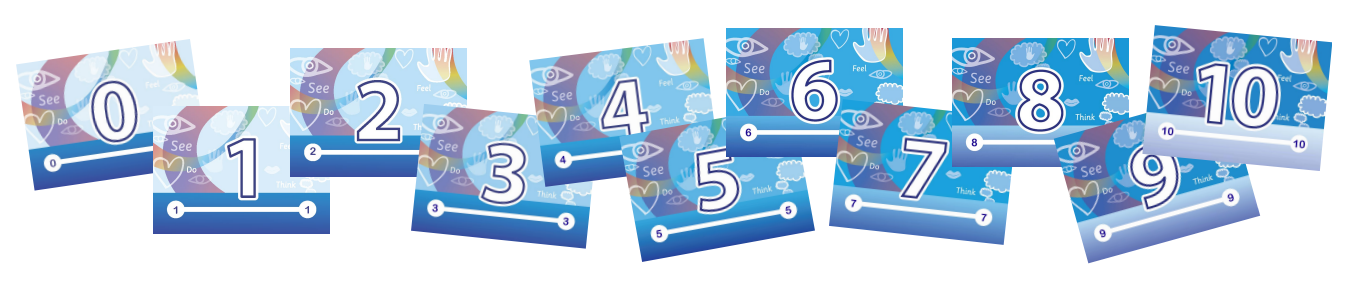
Here are a few pointers; if you would like further information, we can cover this in one of our Reflective Sessions (see above):
- Allow extra time for exploration of the Cards
- Simply allow the Cards to be inspected as an aid to calming
- Explain that the Cards can mean whatever they like, and they don’t have to use them all
- Simplify where necessary, e.g. only use red and green traffic lights (removing the amber traffic light)
- Consider using fewer Cards, rather than the whole pack
- Use blank Cards to represent areas of their lives that are not represented in the Cards already
- Use additional visuals, such as Boardmaker
Where a young person has a Communication Book, look to use their own language.
New resources
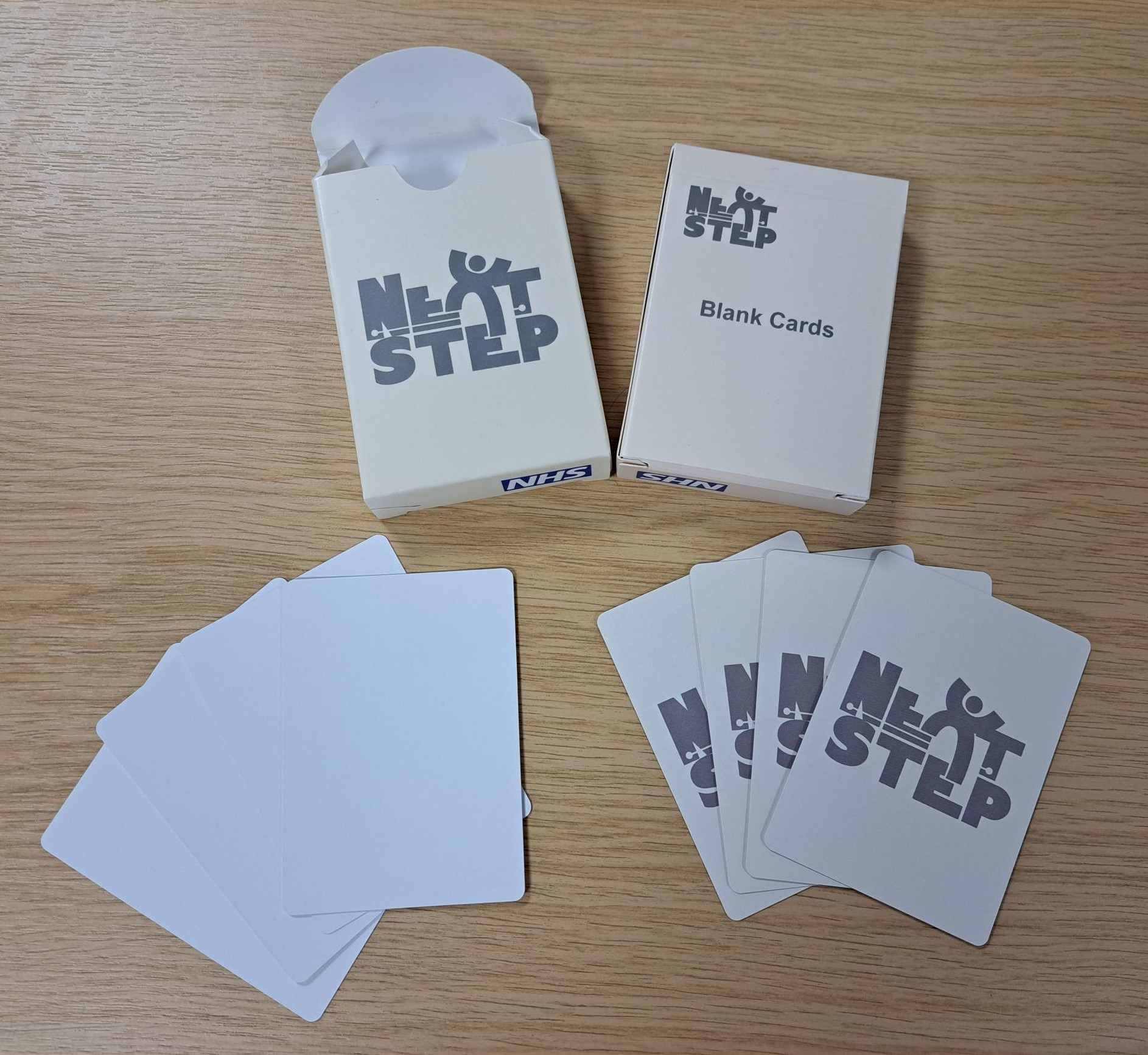 Further to your feedback from training, we have recently produced packs of 56 blank Cards for you and the young people you work with to make into their own bespoke Cards. These are available at only £10 per pack.
Just a reminder that we have A4 size packs of Next Step Cards which are available at £50 + p&p. These are brilliant to use in group work or with children and young people that prefer to be moving around, rather than sitting at a table using the small version of the Cards.
If you are interested, just email Jenny at: cwp.
Training videos – including new one with Holly, a younger child
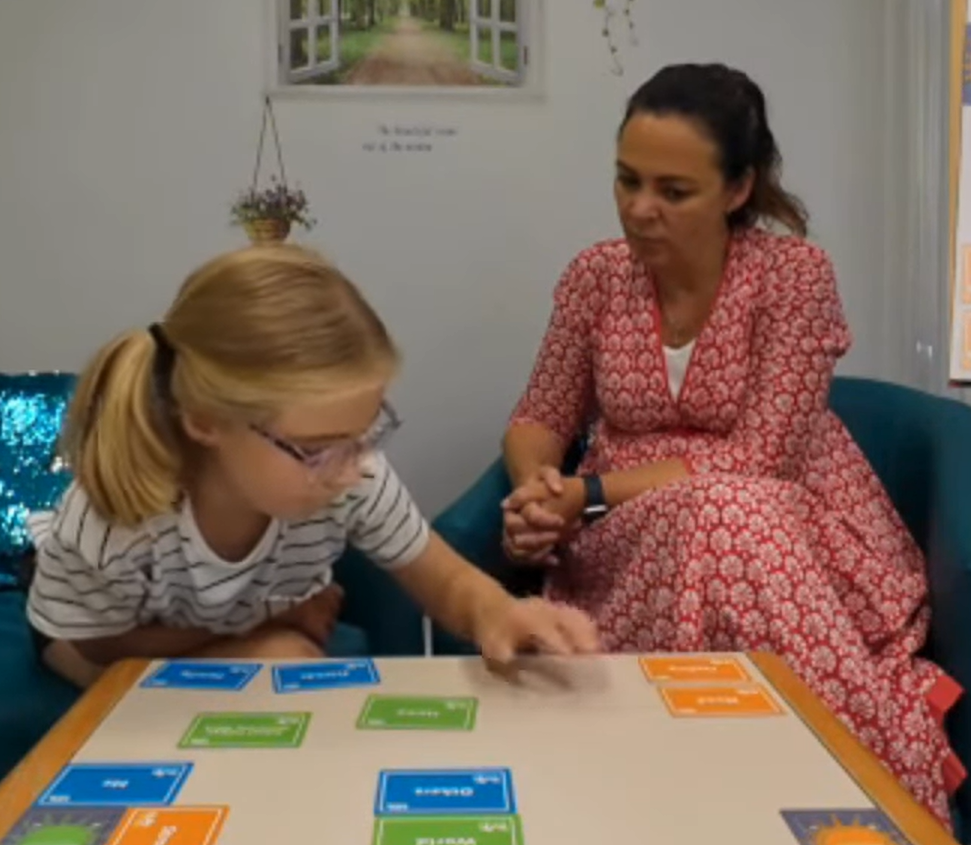 Again, after feedback from you, we have added a new video to our website, showing a practitioner using the cards with Holly, who is 8 years old. Don’t forget that all of our training videos are available in the Resources area of our website.
Please contact Jenny for the password if you’ve forgotten it!
How do I end a session?
For us to think about how to end the session, we need to think about how we structure the whole session. Structuring sessions so that they have a beginning, middle and an end, ‘The Sandwich Approach’ helps with collaboration and flow.
The beginning ‘the bread’ includes agreeing how long the session is, making a collaborative plan of what you will do together and can include a game (Dobble, 0’s and X’s or ask the child / young person for their ideas). Young people often still enjoy a game, or they may like a general catch up or try a grounding activity such as ‘make yourself laugh’. Tell a silly joke like the kind you would find in a Christmas cracker. You might also make yourself laugh by watching a funny animal video, a clip from a TV show you enjoy, or anything else you know will make you laugh.
The middle section is ‘the meat in the sandwich’ which is using the Next Step Cards to help identify a life area to work with.
The ending of the session ‘the last piece of bread’ is an opportunity to reflect together on the content of the session. This helps reinforce the learning for the child / young person, checking their understanding and ensuring that they know what they need to practice in between sessions. You might want to ask a few specific questions such as:
- “What is your goal?”
- “How can your next steps help you work towards your goal?”
- “When is a good time to practice?”
- “How will you remember?”
- “What could get in the way?”
If you are working with an older child, they may want to take a picture of their cards or write them in their phone notes or on a Post-It note. With a younger child you could offer to share their goal with their parent / carer or teacher so that they can be supported to work towards this goal.
*End the session with another short grounding activity, demonstrate it first and then practice together. This one is good.
*Remember at the beginning of the next session to recap the previous session and check in on progress towards goals.